October 5, 2026
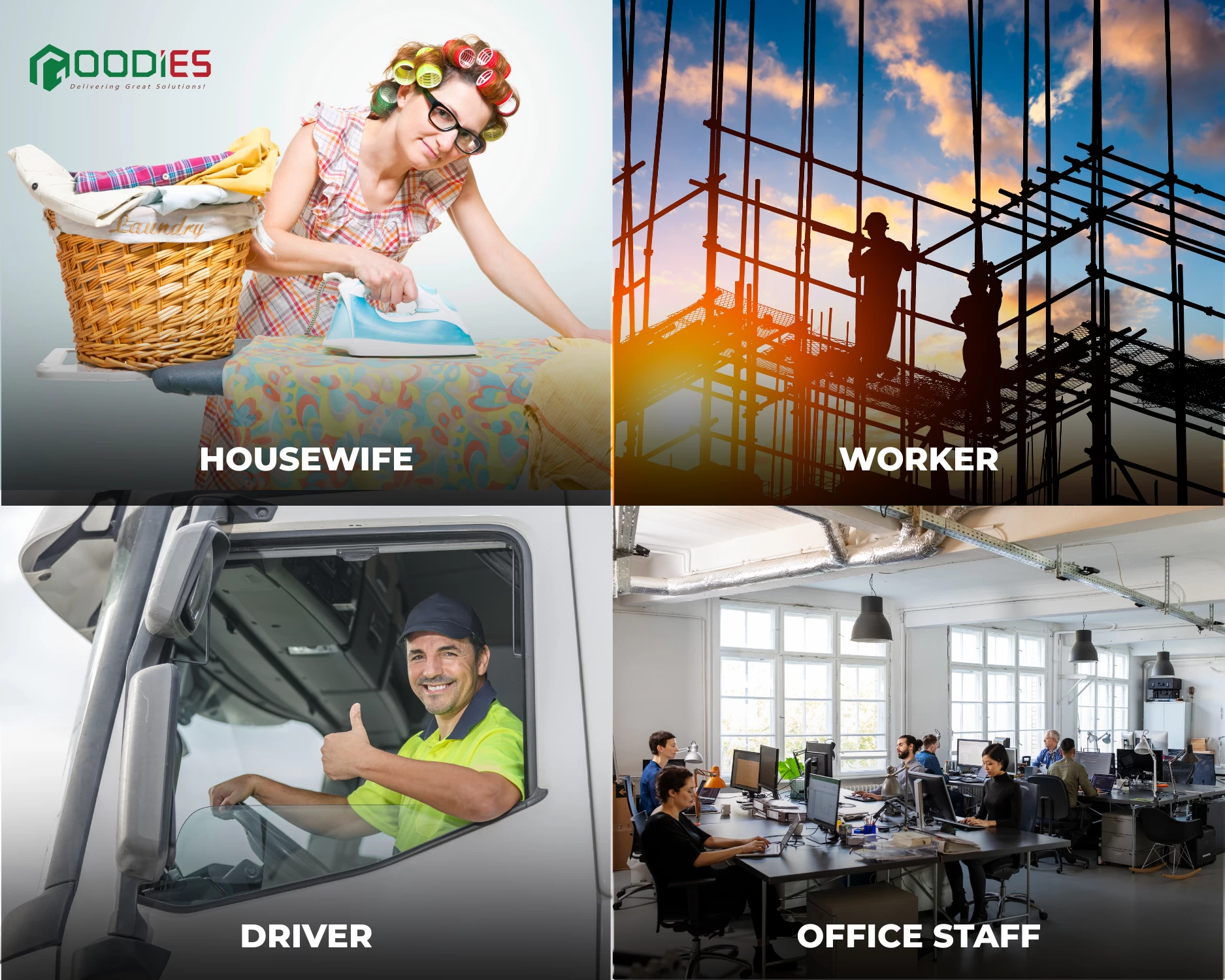
Age isn’t the only factor. The nature of your job can also put extra stress on your bones and joints every day. Sitting for long periods, moving very little, staying in the same position, or performing repetitive movements can all increase the risk of joint pain and discomfort.
1. Homemakers
Household chores such as mopping, washing dishes, and doing laundry often involve repetitive movements such as bending forward, bending the back, kneeling, squatting, reaching, or stretching the arms overhead. In particular, squatting or kneeling can place increased pressure on the knee joints. Prolonged kneeling while cleaning floors may also irritate the knee joint’s synovial membrane.
2. Factory and Manual Workers
Jobs on production lines, such as cutting, ironing, or assembling components, often require repetitive movements every day, which can contribute to joint pain and osteoarthritis. For construction workers and those involved in transporting goods, lifting or carrying heavy loads beyond their capacity or using improper posture can increase the risk of joint pain.
3. Drivers
Taxi, bus, and long-haul truck drivers often have to remain seated and keep their neck, shoulders, and hips in a fixed position for long periods. This can be associated with problems such as neck and shoulder pain and lower back pain. Continuously gripping and adjusting the steering wheel for hours can also cause numbness and stiffness in the wrists and hands.
4. Office Workers
Sitting or standing in one position for extended periods can put stress on the joints, particularly the knees, neck, shoulders, and lower back. Poor postures such as slouching, uneven shoulders, crossing the legs, or bending the wrists while typing can also place pressure on the joints and ligaments and compress nerves.
No matter what your occupation is, don’t let your daily work become a burden on your joints. Pay attention to your working posture and any pain, fatigue, or numbness that occurs during work, so you can take appropriate steps to care for your musculoskeletal health.
Learn more on our Facebook Fanpage.