September 8, 2026
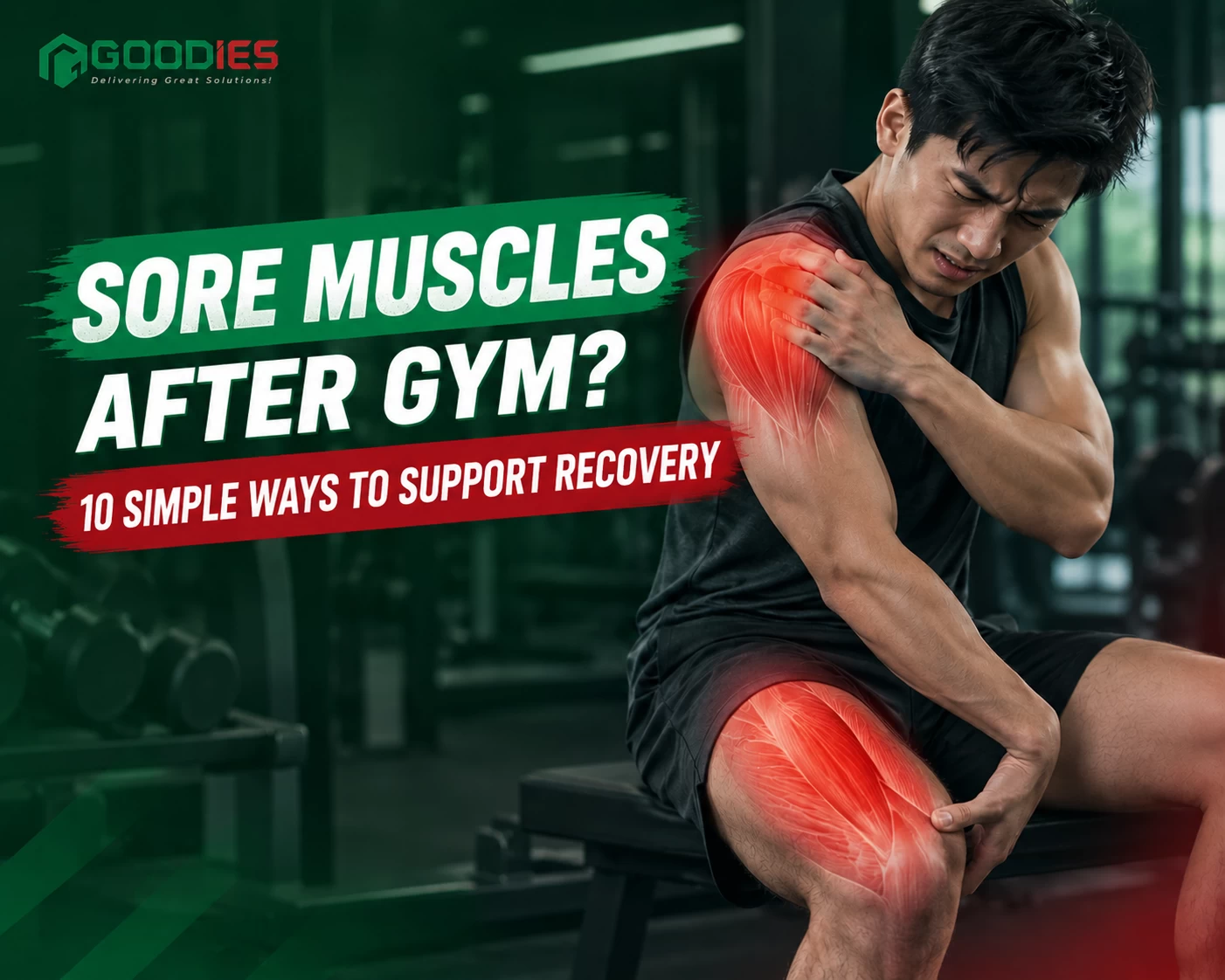
If you’ve just returned to the gym or increased your workout intensity, you may experience muscle soreness, stiffness, or discomfort after exercising. This is a common response as your muscles adapt to a new level of physical activity. To help you feel more comfortable and support the recovery process, try these simple tips:
Avoid strenuous exercises that target sore muscle groups. Instead, try light walking or gentle movement to help your body relax.
If soreness is accompanied by swelling following an injury, a cold compress may help relieve discomfort during the early stage. When muscles feel tight or stiff, a warm compress may help relax them. Apply for around 15–20 minutes at a time. Always wrap the compress in a towel or cloth and avoid placing it directly on your skin.
Spend around 5–10 minutes doing gentle stretches for your shoulders, neck, back, thighs, and other muscle groups. Hold each stretch for approximately 20–30 seconds and avoid stretching to the point of pain.
Gentle massage can help relax tense, sore muscles and promote a greater sense of comfort after a workout.
Pain relievers may help reduce discomfort but do not replace the muscle recovery process. If medication is needed, consult a doctor or pharmacist to ensure safe and appropriate use.
Drinking enough water before, during, and after exercise helps maintain proper hydration and supports your body’s recovery after physical activity.
Make sure to include protein, vegetables, fruits, and a variety of nutritious foods to provide your body with the energy and nutrients it needs for recovery.
A foam roller can be used as a form of self-myofascial release (SMR), which may help relax muscles and support improved range of motion.
Instead of remaining completely inactive, try slow walking or other gentle exercises that are appropriate for your condition. This can help maintain flexibility while your body recovers.
Adults are generally recommended to get 7–9 hours of sleep each night. Quality sleep plays an important role in physical recovery and overall well-being.
Don’t try to “push through the pain", mild muscle soreness after exercise can be common. However, if you experience severe pain, significant swelling, muscle weakness, limited movement, or pain that persists or does not improve, stop exercising and consider seeing a healthcare professional to determine the cause.
Train smart – rest well – recover properly. Taking care of your body can help you maintain a safer and more sustainable workout routine.
You can find more details on our Facebook page!