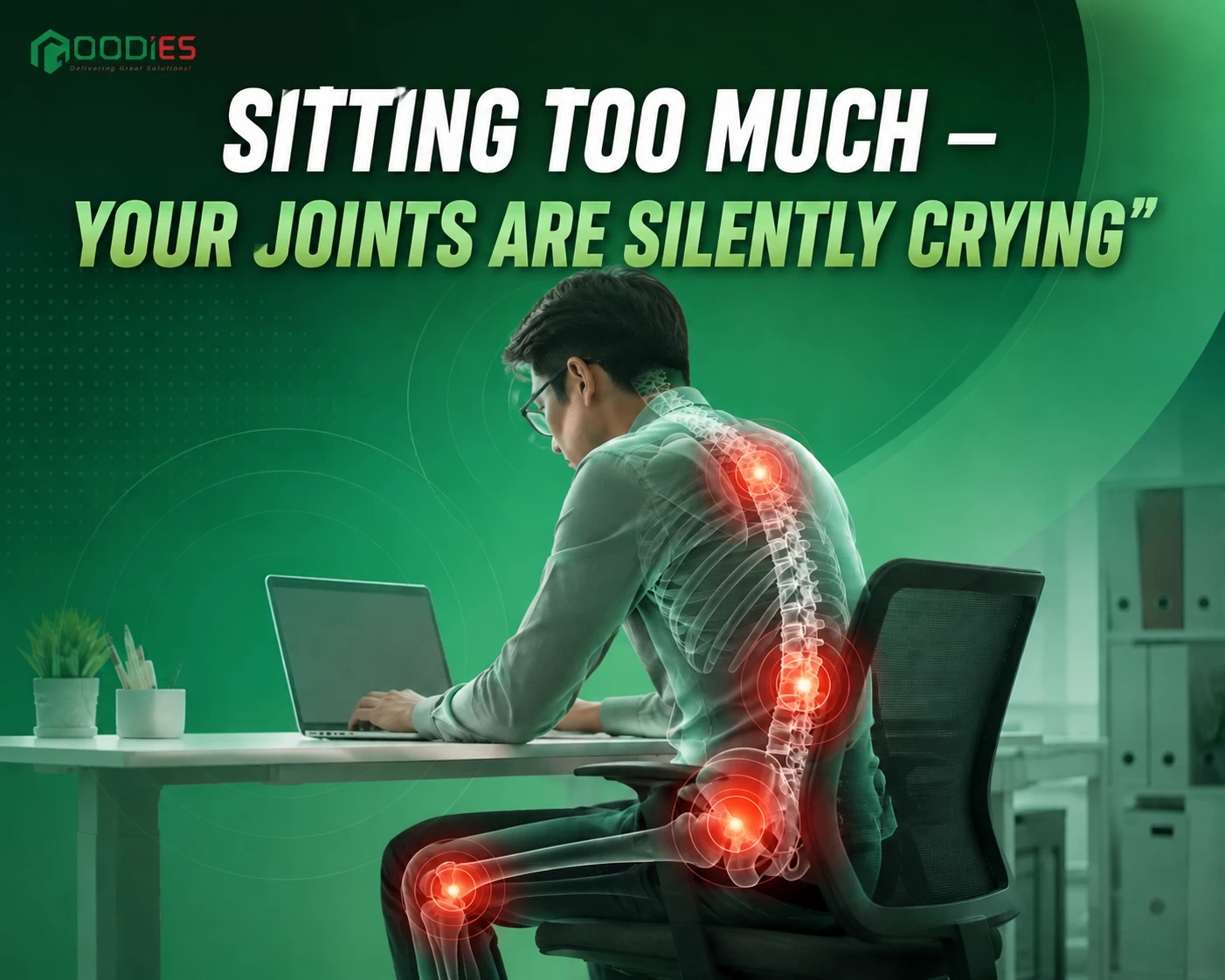
A long workday often means hours spent in a familiar chair - from one meeting to another, then back in front of the screen. Many people only get up when their back starts to ache or their legs feel numb. However, sitting for too long and staying physically inactive can do more than cause temporary discomfort - it may also affect long-term musculoskeletal health.
WHAT CAN PROLONGED SITTING DO TO YOUR BODY?
Increase the risk of osteoporosis: Physical inactivity reduces the stimulation needed for bone formation. Over time, bone loss may increase, raising the risk of osteoporosis and fractures.
Increase the risk of spinal problems: Prolonged sitting, especially with poor posture, can increase pressure on the spine, vertebrae, joints, tendons, muscles, and ligaments. Over time, this may contribute to problems such as spinal curvature, herniated discs, or bone spurs.
Accelerate joint degeneration: When joints remain inactive for extended periods, blood flow and oxygen supply to the cartilage may decrease, making the joints less flexible. Over time, the cartilage may wear down more, causing pain and potentially accelerating the degenerative process.
Shorten the hamstrings and reduce flexibility: Sitting for long periods keeps the muscles and tendons at the back of the thighs in a shortened position. This may reduce leg flexibility, increase the risk of injury during intense physical activity, and contribute to chronic lower back pain.
Don’t let your chair become a place that “holds” your body still all day!
If your work requires prolonged sitting, try standing up, walking around, or doing light exercises for about 5–10 minutes after every 45–60 minutes of sitting. Maintaining proper sitting posture, taking opportunities to walk or use the stairs, and exercising regularly are also simple ways to support musculoskeletal health.
Sometimes, taking care of your bones and joints doesn’t have to start with major changes. Simply standing up and moving more every day can already make a meaningful difference.
You can find more details on our Facebook page!